


At the Hay Festival 2026, Carole Cadwalladr read out the legal gag order received from Meta by Sarah Wynn-Williams, author of Careless People and former policy executive at Facebook.
Instead of engaging in a talk with Carole and Tim Wu about ‘how much power is too much power’, Wynn-Williams sat in silence, muted by the coercive tech giant behind Facebook, WhatsApp, Instagram, and those AI “pervert glasses”.
A few weeks later, it happened again. Emily Maitlis, host of The News Agents, asked the whistleblower to leave the studio so that an interview about the Freedom to Publish prize - which she'd just won alongside Amy Wallace - could continue without her.
The irony of linking to IG is not lost on me, dear scribblers.
Careless People: A Story of Where I Used to Work (but also known as Careless People: A Cautionary Tale of Power, Greed, and Lost Idealism) is an exposé. An ugly blow-by-blow of decisions made, corruption fostered, extremism nurtured, tax avoided, fascists and dictators entertained, ethics folded. It shares tales from within the boardroom, from offices, from DAVOS, from private jets. It emphasises how Zuckerberg’s priorities are ‘pretty horrible and ignorant of the human costs’, how ‘he disappoints again and again.’
And then there’s Sarah’s story. Her idealism when she joined is something that I very much related to, having joined my first tech startup as a starry-eyed twenty-something convinced that we would change the world for the better. Her staying, I understood. I knew the fever dream of feeling like you’re moving things in a positive direction, even if it means compromising some small part of yourself on the way.
Some of the memoir is harrowing - her pregnancies, that trip to India. Some of it is enraging - the involvement in elections, in Brexit, in the Philippines, Thailand, MAGA.
“By the end, I watched hopelessly as they sucked up to authoritarian regimes like China’s and casually misled the public. I was on a private jet with Mark the day he finally understood that Facebook probably did put Donald Trump in the White House, and came to his own dark conclusions from that. But most days, working on policy at Facebook was way less like enacting a chapter from Machiavelli and way more like watching a bunch of fourteen-year-olds who’ve been given superpowers and an ungodly amount of money, as they jet around the world to figure out what power has bought and brought them. That’s the story I’m here to tell.”
― Sarah Wynn-Williams, Careless People
It is, in my opinion, a must-read.
I read Careless People shortly after it came out in 2025, spurred to buy it from my local bookseller as soon as possible. At the time, I was concerned that the book might be pulled due to its notoriously litigious subject matter. Also the fact that the company tried to ban its promotion made me want to buy it just to spite the ‘emergency arbitration' ruling that Meta imposed days before the book was due to launch. As an act of self-sabotage, it was a blinder. Their actions meant more people, like myself, bought the book. Thousands of copies flying off shelves across the world. Article after article pointing out what Meta had done and why this book matters. No input from SWW needed.
And yet, over a year later, Wynn-Williams is still operating under that gag order.
And - impressively - she has managed to weaponise her silence. Made a point of still being on the stage, of leaving the room when asked, of not even nodding whilst Meta representatives lurk in the audience.
In June, her UK lawyer told The Observer: “The world needs to know that Sarah hasn’t just gone away. She’s been suffering in and by silence – silence as sought and enforced by Meta. And now she’s fighting back.”
We should all fight back with her.
Which brings me to the pairing. I started this newsletter with a question: has a wine ever been banned? Has a winemaker ever been silenced?
The answer, of course, is yes.
Some bans are pure politics - Russia has blocked sales of Moldovan and Georgian wines on-and-off since 2006 (more on this later).
But most of them are banned blends or banned grapes. Wines created despite the rules. One good example is winemaker Maxime Chapoutier, who gave an interview to the BBC about his wines that blend EU and non-EU grapes (a thing French authorities take very very seriously). But, post-Brexit, Maxime - and others, like Christian Borel - can now sell his somewhat-controversial ‘wines of the world’ (via the Wine Society no less). These are regional in scope. More a matter of regulation than misused power.
More interesting are the winemakers that refuse to be silenced. Like the French winemakers in WWII who hid members and weapons of the Resistance alongside valuable bottles within their crayères, and passed along intelligence based on where they were being told to ship wine. Or like the Lebanese winemakers who continue to produce despite the IDF bombardment, expertly highlighted by Michael Karam. Or like Tetiana Burianova’s ‘Deocoupage’ - a wine made from grapes hand-picked in occupied Ukrainian territories and sales of which fund the Superhumans charity.
“Those grapes were grown during Russian occupation, and they were harvested at liberation … They are a symbol of resistance and they are a symbol of liberation.”
- Edward Akrout, the CEO and founder of Art Shield, on Deocoupage
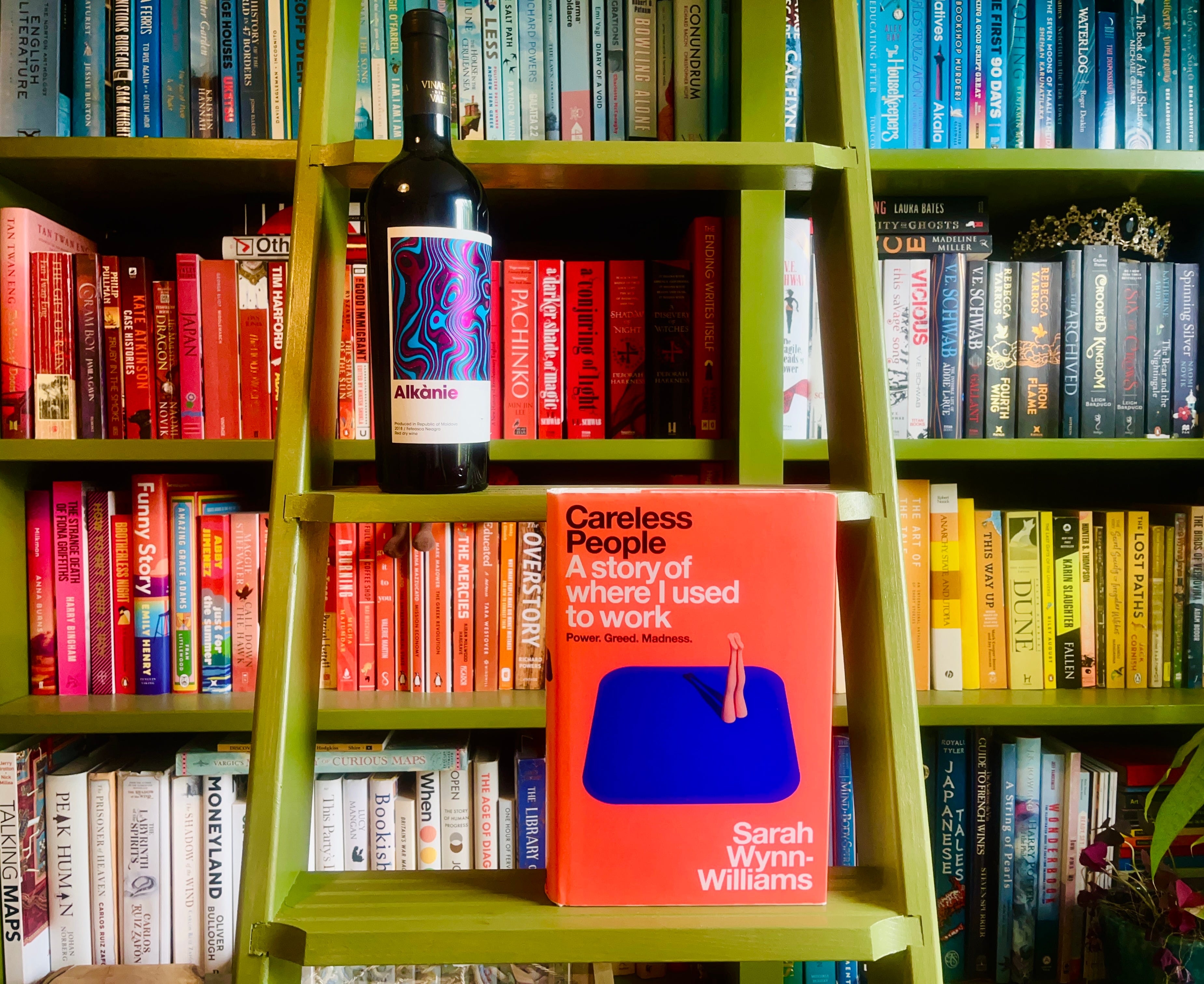
The Book: Careless People, Sarah Wynn-Williams
‘A shocking and darkly funny story of one woman at the heart of one of the most influential companies on the planet’. I’ve already waffled on a fair bit and I won’t rehash anything here.
Tasting Notes: Grippy, bright, with an acidic wit and a long, enraging finish. Notes of lost idealism, private jet fumes, and burnt ethics. It is dangerously easy to down this book in one sitting ( it only took me a day and a bit to devour it), but it’s worth dwelling on, reminding yourself to stay sceptical (at least a little bit), to not take it all at face value just because it’s approachable. This is a book that lingers and a story that is still developing. We should all feel angry. We should also remain questioning.
Where can I buy it: Everywhere. It’s out in paperback for £10.99 as of this summer. Blackwells currently have a little deal on, so you can buy your copy for £9.32.
“You weren’t responsive enough,” he says.
“In my defense, I was in a coma for some of it.”
― Sarah Wynn-Williams, Careless People
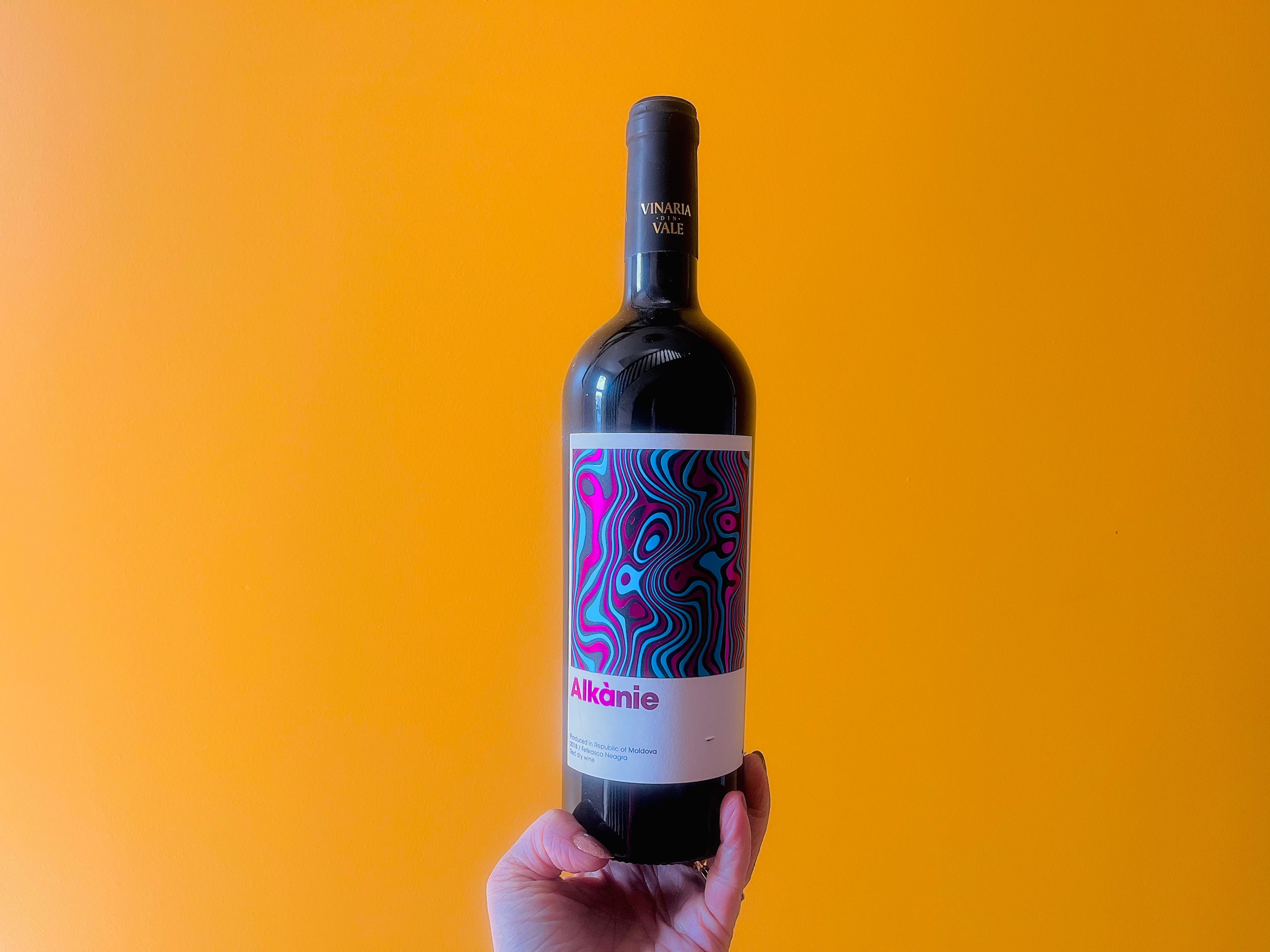
The Pairing: Alkànie, Moldova (2018)
I would love to pair Careless People with a wine that demonstrates resistance, resilience, robustness. And there’s one wine in my collection that feels like a perfect fit - the delicious Alkànie - a Moldovan red made from one of the country’s flagship local grapes by family-run Vinăria din Vale.
Moldova’s storied history with Russia is the main reason why its winemaking feels political. Its wine revival since the fall of the USSR has been threatened over and over by embargoes on its produce. Fortunately, these embargoes - much like Meta’s gag order - have strengthened the Moldovan wine industry as they’ve shifted to produce wines that appeal to European and American standards. It’s a story of creative renewal and unexpected opportunity - despite the threats of those more powerful.
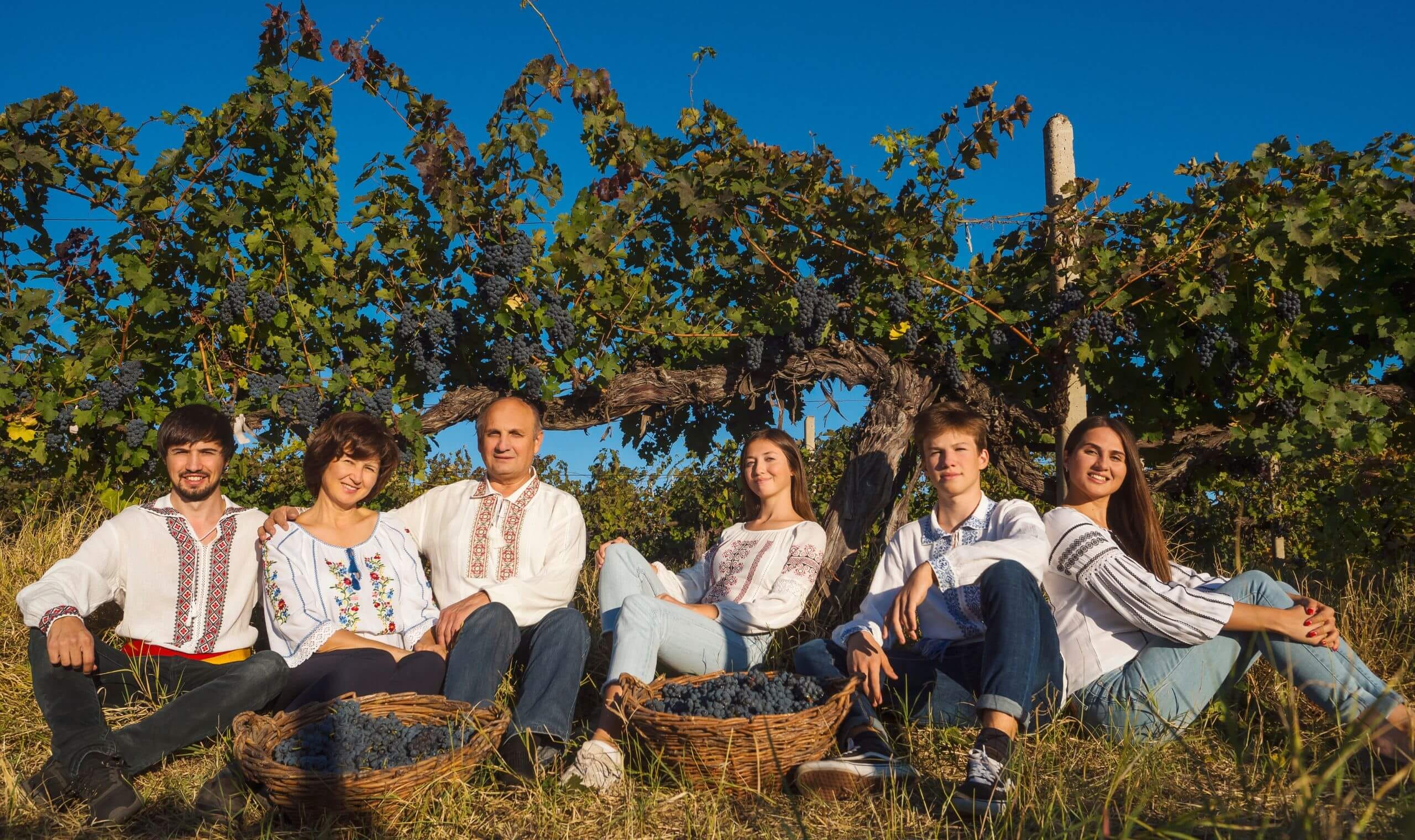
The Wine: Most of us won’t have tried much wine from Moldova - it’s not a common find on restaurant menus, let alone in a pub, despite hundreds of years of wine-growing history. Today, thanks to its mild and sunny Black Sea climate, Moldova actually has the highest density of vineyards anywhere in the world. As the writers of Glug explained, these are “terraced up rocky mountainsides, laid in neat rows alongside deep Codru forests, vineyards even creep up into city boundaries”. But it nearly wasn’t like this. Gorbachev’s perestroika reforms (and particularly his anti-alcohol campaign), saw nearly 30% of Moldova’s vineyards destroyed in the 1980s. Indigenous grapes like Fetească Neagră - the varietal in today’s pairing - were nearly wiped out. With the collapse of the USSR, those grapes were fortunately rediscovered and replanted. That, alongside a renewed focus on the terroir and creating quality wines, means lush, distinctive bottles like Alkànie now exist.
Tasting Notes: Some have described this as a medium-bodied wine, but I don’t think that does it justice. A delicious dark red, Alkànie is complex and smoky and full of blackberry and cherry and spice. It’s a bright wine, delicately acidic, with a feral streak that comes from grippy tannins and chocolatey oaky notes. It’ll pair well with spicy curry (which I am drinking it with right now) or anything bold enough to stand up to it.
Where can I buy it: My bottle came in the Wine52 Moldovan wine box, which unfortunately seems to be out of stock (do check though, as they bring back wines fairly often). But no tears please, Mama Rita (Vinăria din Vale Feteasca Neagra) is from the same vineyard, made from the same grapes, and it’s available in Majestic for £10 (or £7.50 in a Mix Six).
Fun fact: Feeling on theme, I’ve just ordered a bottle of Chateau Purcari’s Freedom Blend. This is a wine made from Rara Neagră from Moldova, Saperavi from Georgia, and Bastardo from Ukraine - one grape from each country that's felt the sharp end of Russian aggression. I haven't tried it yet, but I suspect it may feature in a newsletter very soon.
What to read next:
Bad Blood by John Carreyrou - A blistering critique of Silicon Valley and the deceit that keeps it moving, this book covers the rise and fall of Theranos - and it’s founder, Elizabeth Holmes.
Nobody’s Girl by Virginia Roberts Giuffre (and Amy Wallace) - Co-winner of The Freedom to Publish Prize, Nobody’s Girl is harrowing. It’s a story of trauma, depravity, fortitude. And it’s a call for real justice.
The Attention Merchants and The Curse of Bigness by Tim Wu - a leading voice on technology, culture, and the future of the internet, Wu discussed power and its misuse whilst Wynn-Williams sat next to him in silence at Hay.
“This is a demonstration that some of the worst abuses in our time are not confined to kings, emperors, governments … but to a class of companies that have assumed the sovereign affect, and seek to assert their power the same way that some of those despotic nation states do.”
- Tim Wu, Hay 2026
I also read it when it came out and was fuming, but not at all surprised. I think the way she’s carried herself is so admirable. Also LOVE this post about how wine is political - there’s a book in there somewhere - or a series of essays. Perhaps you can write it? 👀
Tell me - what's your favourite banned book? Or the book you like to bring up purely to stir the pot? I'd love to hear your thoughts!